
- Overview: Chr1zN\'s Rise to HEROIC
- Stepping Up to HEROIC and Tier-One Pressure
- Building Sustainable Rosters in Modern CS2
- IGLing AWPers in Tier-One CS2
- Riflers vs AWPers: Understanding the CS2 Meta
- Why the VRS Ranking System Feels Broken
- LAN Points, Regional Abuse, and Competitive Fairness
- The Rise and Fall of Danish Counter-Strike
- Danish vs International Teams: Which Path Is Better?
- CS2 Skins, Player Identity, and Smart Trading
- What to Expect from HEROIC in 2026
Overview: Chr1zN\'s Rise to HEROIC
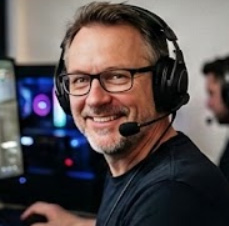
Christoffer "Chr1zN" Storgaard has quietly become one of the most interesting in-game leaders in competitive Counter-Strike 2. After making a name for himself on MOUZ NXT and later guiding OG back to a Major in Austin, he has now stepped into one of the most high-pressure roles in CS2: leading HEROIC.
In this deep-dive, we break down his journey, his view on the current meta, and why he believes young Danish players should seriously consider going international. We also touch on the business side of CS2 through the lens of skins, branding, and long-term player identity, and how platforms like cs2 skins markets fit into the ecosystem.
From the impact of the VRS ranking system to the role of AWPers in tier-one competition, this article unpacks not only what Chr1zN said, but what it means for aspiring pros, team builders, and serious CS2 fans.
Stepping Up to HEROIC and Tier-One Pressure
HEROIC vs OG: A Real Step Up
Moving from OG to HEROIC isn\'t just a lateral transfer; it\'s a clear career upgrade for Chr1zN. On paper, the ranking gap between the two lineups is significant, and in practice it means something even more important: different tournaments, different pressure, and different expectations.
For Chr1zN, the move isn\'t about being intimidated by the bigger stage. Instead, he views it as an environment he needs to adapt to:
- Playing higher-stakes events consistently instead of sporadically.
- Adjusting to the pressure of a top brand in Counter-Strike, where every result is scrutinized.
- Learning to manage a team that expects deep playoff runs rather than just qualification.
He acknowledges that it\'s a step up, but not something that scares him. It\'s simply the next logical phase of his career: test himself at the highest level, week in, week out.
Why Leaving OG Was the Right Time
Chr1zN has spoken positively about his time at OG, and it\'s clear there\'s no bad blood. The decision to move on was more about ambition and timing than anything else.
Two key reasons stand out:
- He wanted to compete on the biggest stages, not just fight to qualify for them.
- The VRS system has made it much harder for tier-two teams to climb purely through grinding results, especially without miracle runs at Majors or S-tier events.
In other words, the ceiling at OG was starting to feel limited by the structure of the scene itself. When HEROIC came knocking, the opportunity aligned with his long-term goals. He wasn\'t leaving a sinking ship; he was jumping to a bigger one while he still had momentum.
Early Days with the New HEROIC Lineup
The start of his HEROIC chapter hasn\'t been perfectly smooth. With AWPer Alimzhan "Alkaren" Bitimbay delayed by visa problems, the roster has been operating without a key piece. Even so, the team has already made a promising run to the BLAST Bounty playoffs, suggesting that the foundations are strong.
According to Chr1zN, his first impressions of the roster are extremely positive:
- He feels the team has serious firepower across the board.
- Teammates are respectful of his role as IGL while still contributing ideas.
- Communication and input are shared, which helps avoid a rigid, top-down style that can kill creativity.
HEROIC has famously been a stepping-stone team in recent years, losing star players as they got poached by other orgs. Chr1zN isn\'t naive about that reality, but he doesn\'t obsess over it either. His mindset is simple: build the best possible team now, and be prepared to integrate new pieces if stars eventually move on.
Building Sustainable Rosters in Modern CS2
What MOUZ NXT and OG Taught Him
Before HEROIC, Chr1zN\'s experience with constant roster movement came from his time in academy and rising-tier teams. At MOUZ NXT, promotions and buyouts were normal. If a teammate reached a certain level, they were often moved up or sold.
By the time he arrived at OG, he was already familiar with the reality that your lineup can change at any time. That academy background forced him to develop two crucial IGL traits early:
- The ability to quickly integrate new players into an existing system.
- The discipline to maintain a clear game identity even when individual pieces change.
For Chr1zN, swapping players isn\'t an exception in Counter-Strike — it\'s part of the job. That mindset makes him a particularly good fit for an org like HEROIC, which has already been through several rebuilding cycles.
Reuniting with TOBIZ: Shared Values
One underrated aspect of his move to HEROIC is reconnecting with coach TOBIZ. The two have worked together before, but a lot has changed in the two years since they last shared a server.
Chr1zN notes that while both of them bring fresh ideas and evolved philosophies now, their core values remain aligned:
- A strong focus on team culture and how players treat each other.
- Similar expectations for discipline, communication, and work ethic.
- A shared sense of what is non-negotiable in a professional team environment.
This kind of coach–IGL alignment is often what separates top teams from nearly-there teams. With the pressure stacked on HEROIC to return to the top, that synergy will be critical.
IGLing AWPers in Tier-One CS2
AWP Impact: Tier One vs Tier Two
One of the most interesting parts of Chr1zN\'s philosophy is how he views AWPers in different levels of play. At lower tiers, a strong AWPer can often take over games simply by out-aiming opponents or abusing weaker team structures. In tier-one CS2, that becomes much harder.
According to him, the AWPer\'s raw impact naturally drops as you move up the ladder because:
- Teams are better at denying comfort angles and punishing predictable setups.
- Utility usage is stronger, making aggressive picks riskier without a plan behind them.
- Opponents are more disciplined about trading and spacing, reducing solo hero plays.
That means the IGL\'s job shifts. It\'s not enough to have a mechanically gifted sniper; you must actively structure the game around giving them opportunities, confidence, and information.
From nicoodoz to a Traditional AWPer
On OG, Chr1zN spent a long stretch playing with nicoodoz, an AWPer with a relatively unconventional style. He was comfortable picking up rifles more often than most snipers at the top level, which required a unique approach to calling.
Now at HEROIC, he expects to work with a more traditional, dedicated AWPer again once Alkaren is fully integrated. That shift forces an adjustment in his calling style:
- Designing rounds where the AWP is the primary win condition for key map areas.
- Calling more structured defaults designed to get the AWP into strong mid-round positions.
- Making sure the sniper always feels confident and involved, not sidelined as a passive observer.
He points out a recent trend where many tier-one AWPers have seen their HLTV ratings drop compared to the past. Despite that, he insists the weapon remains central to success — it simply requires smarter usage and better support.
Riflers vs AWPers: Understanding the CS2 Meta
The Current Meta Still Belongs to Riflers
There\'s a lot of discussion about whether CS2 will eventually swing back to an AWP-heavy meta, especially when outliers like molodoy put up absurd AWP kill percentages. Chr1zN doesn\'t buy into the idea of a massive shift — at least not yet.
In his view, the way CS2 is played right now makes high-level riflers absolutely essential:
- Top teams almost always have three or four strong riflers who can win duels anywhere on the map.
- Mid-round skirmishes, site execs, and retakes demand flexible, mobile riflers rather than a static sniper.
- If your rifling core isn\'t elite, it\'s almost impossible to consistently win trophies.
He also points to a practical issue: there simply aren\'t enough truly world-class AWPers available right now to build systems entirely around them. Even if teams wanted a full return to AWP-centric Counter-Strike, the talent pool may not be there.
What This Means for Aspiring Players
For players grinding FACEIT or regional leagues, Chr1zN\'s take has some clear implications:
- If you want to go pro, being a well-rounded rifler is still the safest and most in-demand path.
- If you insist on being an AWPer, you need more than quick flicks: you must understand rotation timings, utility usage, and round structure.
- IGLs should study how top teams enable their AWP without relying on it as the only win condition.
This meta focus also influences how pros present themselves visually. Many players use weapon finishes and glove combos to underline their identity — riflers frequently invest in standout AK, M4, and pistol collections, while AWPers centre their look around one or two signature snipers. Serious players often use trusted markets like csgo skins trading platforms to build or upgrade those setups over time.
Why the VRS Ranking System Feels Broken
Too Many Games, Too Little Upside
The VRS ranking system was supposed to modernize Counter-Strike rankings, but from a player perspective, it\'s far from perfect. Chr1zN highlights one major issue: volume of games.
Under VRS, teams often need to play a huge number of matches just to maintain or slowly improve their ranking. That creates problems for ambitious tier-two teams:
- You can grind endlessly without meaningfully breaking into tier one.
- Unless you have a deep run at a Major or S-tier event, your ranking moves slowly.
- This effectively locks the door behind the current tier-one teams, even if they\'re not in peak form.
He points to PARIVISION as a rare example of a team that managed to punch through, but admits he struggles to name many others. The system isn\'t technically a closed circuit, but it feels like one if you\'re stuck trying to climb from below.
Valve\'s Responsibility vs HLTV\'s Role
When the conversation turns to who is responsible for fixing these problems, Chr1zN is clear: most of the blame lies with Valve, not community sites like HLTV.
He also believes the value assigned to certain matches is off. One example he gives is that you can form a brand-new lineup, attend a LAN with little to no previous HLTV history, and still receive full VRS points for winning. That feels disconnected from actual competitive strength.
For the health of the scene, he argues, Valve needs to take more ownership of the system — both in terms of its mathematical fairness and how transparent it is to teams grinding their way up.
LAN Points, Regional Abuse, and Competitive Fairness
LAN Distribution and Regional Farming
If Chr1zN could change just one thing in the VRS system, it would be the way LAN wins are rewarded. Right now, some teams are able to play a high number of semi-closed regional LANs and stack points without facing the same elite competition seen in international events.
He mentions the SAW core as an example of a lineup that has taken advantage of this structure. Importantly, he doesn\'t blame the players — they simply used the system as it exists. The issue is that the system allows this kind of farming to warp rankings and invitations for everyone else.
When teams can accumulate points primarily by dominating smaller regional LANs, it becomes harder for equally strong (or stronger) squads in more competitive regions to get the same opportunities.
How VRS Hurts Hungry Tier-Two Teams
For tier-two teams, these flaws create a brutal loop:
- You need invites to big events to gain big points.
- You need big points to receive invites in the first place.
- Regional disadvantages mean some teams start the race behind despite similar skill levels.
This context also explains why players like Chr1zN are keen to move to established organizations early. Being inside a recognized brand like HEROIC doesn\'t just bring salaries and staff — it brings access to better tournaments and therefore a real chance to climb.
The Rise and Fall of Danish Counter-Strike
From Astralis Era to an Uncertain Present
For years, Danish Counter-Strike was the gold standard, with Astralis and later HEROIC setting the bar for structured, team-oriented CS. Now, the landscape looks far more fragile.
Chr1zN doesn\'t claim there\'s a single cause, but he does highlight a few contributing factors:
- Many promising tier-two Danish teams never fully delivered on their potential.
- The scene fell into recycling veterans instead of consistently promoting new blood.
- When Astralis struggle, the entire Danish ecosystem feels the impact, from tier-one all the way down to tier three.
The end result is a country with a proud history but fewer standout stars in the current generation than you might expect.
New Danish Talent to Watch
Despite the downturn, Chr1zN isn\'t pessimistic about the future. He specifically calls out players like sirah and Tauson (currently impressing with GamerLegion) as names likely to make bigger waves in the next few years.
He argues that one of the Danish scene\'s problems hasn\'t been a lack of talent, but a lack of proper usage and support for young stars:
- Some players who showed star potential weren\'t moved up fast enough.
- Others, like staehr, ended up in roles where their star qualities were muted instead of amplified.
At its best, Danish CS was built on incredible team play. Ironically, that emphasis on system over ego may have limited some of the flashy star development the region needed for long-term renewal.
Danish vs International Teams: Which Path Is Better?
When It Makes Sense to Stay in Denmark
One of the biggest questions young Danish players face is whether to grind through the domestic scene or jump to an international lineup as soon as possible. Chr1zN doesn\'t think there\'s a one-size-fits-all answer — it depends on your role and ambitions.
He believes that if you\'re a star-fragging player, staying in Denmark can still work well:
- Danish teams tend to be very structured and team-oriented, which can provide good support systems for stars.
- Exceptional talent will eventually be noticed and picked up by bigger orgs, even if you start domestically.
In short, if you\'re the player dropping 30-bombs and creating space, you can absolutely still build a path through Danish lineups.
Why IGLs Should Go International Early
For in-game leaders, however, his advice is much more direct: go international if you can.
From his own experience, playing in international rosters offers:
- Exposure to different playstyles and philosophies that you won\'t see if you only stay inside one national meta.
- Far more roster options, since you\'re not limited to players from a single country.
- Better preparation for future top-tier jobs, where almost every major org keeps an eye on flexible, internationally seasoned IGLs.
Chr1zN himself has spent most of his “real” career in international lineups and says he wouldn\'t change that path. It expanded his possibilities and ultimately helped him land a role like IGL of HEROIC.
He does leave the door open for a return to fully Danish teams someday, but his broader point stands: if you\'re looking to maximize your long-term options, international is often the smarter route.
CS2 Skins, Player Identity, and Smart Trading
Why Skins Actually Matter to Pros
At first glance, CS2 skins might seem cosmetic or purely for flexing, but for many pros they\'re part of personal branding and comfort. Your AK, M4, AWP, and gloves become a visual signature that fans associate with your playstyle.
An IGL like Chr1zN might not be known for flashy flicks, but having a consistent set of skins can still help:
- Creating a recognizable identity on stream and in event photos.
- Maintaining a sense of familiarity and comfort across different teams and jerseys.
- Building a personal brand that can translate into sponsorships and long-term fan loyalty.
As CS2 evolves, the line between pro performance, content creation, and brand building becomes thinner — and skins sit right in the middle of that intersection.
Using Skins Platforms Smartly
For regular players and up-and-comers, the skins economy is also a way to upgrade setups gradually without constantly overpaying. That\'s where reliable marketplaces come in.
On sites focused on cs2 skins, you can:
- Sell unused or lower-tier skins to fund new pickups.
- Target specific weapons you actually use in your roles — riflers upgrading AK and M4 skins, AWPers focusing on their main sniper.
- Look for deals that let you treat skins as a long-term collection rather than a constant money sink.
Because CS2 is still relatively fresh, the meta for both gameplay and market trends is still stabilizing. That means some skins that are cheap now may climb as more players switch from CS:GO inventories or as certain patterns and wears become culturally iconic.
From CS:GO to CS2: Managing the Transition
With the move from CS:GO to CS2, a lot of players have been reconsidering how their inventories are structured. Some are consolidating multiple mid-tier skins into one or two high-impact pieces, while others are pivoting to finishes that look better under CS2\'s lighting and shaders.
Platforms that serve both csgo skins and CS2 items give you flexibility during this transition. You can gradually swap out older looks, test how different finishes feel in CS2, and reshape your inventory around the weapons and roles you actually rely on — something that matters even more if you\'re aspiring to compete seriously.
What to Expect from HEROIC in 2026
Short-Term: Stabilize and Grow
In the immediate future, HEROIC\'s priority with Chr1zN at the helm is clear: stabilize the lineup, solve the visa issues, and keep building synergy. Early playoff runs like the BLAST Bounty performance hint at a high ceiling, but consistent practice with the full roster will be the real test.
Key short-term objectives include:
- Locking in a clear playstyle identity that fits both Chr1zN and the current stars.
- Integrating Alkaren fully once external issues are resolved.
- Turning promising runs into regular deep finishes instead of one-off spikes.
Long-Term: Return to Elite Contender Status
Longer term, HEROIC will be judged by whether it can return to the status of a true title contender in CS2. With a young, forward-thinking IGL like Chr1zN and a coach he\'s already aligned with, the foundations are there.
If the org can:
- Maintain a strong core even if inevitable roster moves happen.
- Support its players with the resources needed to stay ahead of meta shifts.
- Navigate the VRS system smartly to consistently secure tier-one invites.
…then HEROIC has a real shot to rebuild its legacy in CS2 instead of just living off its CS:GO reputation.
For fans, that means 2026 should be a year to watch closely. For ambitious players, Chr1zN\'s story is a blueprint: embrace international opportunities, understand the meta deeply, and treat both your in-game calling and your personal brand — right down to your skins — as long-term projects.